Rome · City
Rome for first-timers: a plan that holds up on the ground
Rome is generous and unforgiving at once: there is far more than a first visit can absorb, and the queues are real. The trick is to treat it as four or five neighbourhoods rather than one long checklist, and to book the three or four places that sell out. Here is how to sequence it.

Why Rome feels like several cities stacked together
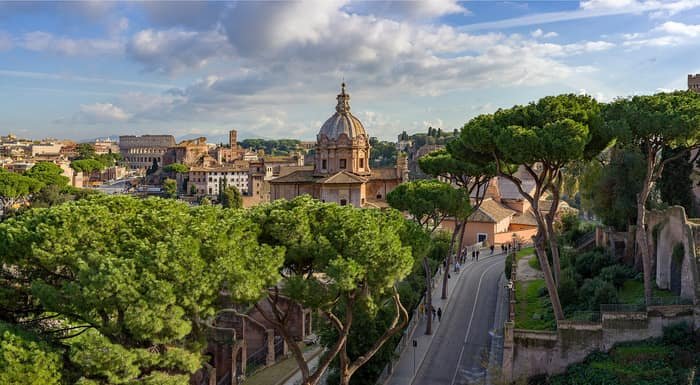
Tradition dates the founding to 753 BC, though people lived on the site far earlier. Rome was the capital of a kingdom, a republic and an empire; later the popes took control and spent centuries rebuilding it with basilicas, fountains and squares; and since 1871 it has been the capital of Italy. That is why one street can hold an ancient column, a baroque church and a government ministry.
The practical consequence is that there is no single centre to see. Each layer needs its own pace. Vatican City, meanwhile, is an independent state inside Rome's municipal limits, with its own museums and its own entry checks, which affects how you build the day.
Ancient Rome, baroque Rome, the Vatican and the park
Ancient Rome sits in one continuous strip. The Colosseum, Roman Forum and Palatine Hill are usually sold together as one ticket, covered in the Colosseum, Forum and Palatine page. Close by, the Domus Aurea runs more limited visits, and to the south the Baths of Caracalla offer plenty of room to wander without crowds.
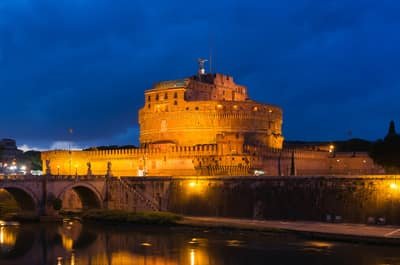
Baroque Rome, with the Pantheon, Piazza Navona and the Trevi Fountain, is best done on foot and looks better in the late afternoon. Across the Tiber, the Vatican deserves a day of its own for the Vatican Museums, and the Castel Sant'Angelo fits in a few minutes away. The fourth zone is Villa Borghese park and the Borghese Gallery, with Trastevere nearby for dinner.
Where the hours disappear, and how to stop it
There are three bottlenecks. The first is getting into the big sights: even with a timed ticket there is a security check, and a line usually forms for it, so arrive with a margin before your slot rather than exactly on it. The second is transfers: the Vatican and the Colosseum sit on opposite sides of the centre, and crossing it by bus at rush hour takes longer than the map suggests. The third is midday: in summer the ruins offer almost no shade, so save air-conditioned museums for those hours.
A split that works: ruins and outdoor sights first thing, museums during the hottest part of the day, and a stroll through the baroque centre at the end, when the squares fill with life. Also leave room for a proper lunch; Rome is unforgiving to anyone who skips it and then tries to squeeze in a third visit.
How long to spend in Rome
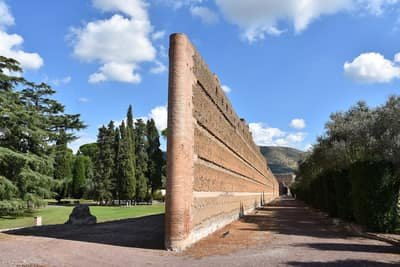
With one day, do ancient Rome in the morning and wander the baroque centre in the afternoon; there is a ready route in Rome in one day. Two days lets you add the full Vatican. Three or four days is the realistic range if you want museums without running: day three for the Borghese Gallery and Trastevere, day four for a trip to Hadrian's Villa at Tivoli or just a rest.
If you already know it will be three days, Rome in three days spreads the big sights so you never face two long waits on the same day. A decent rule is two major museum visits per day at most; the third one is just ticking boxes. And if Rome is one stop on a longer trip, high-speed trains link it to Florence and Naples.
Tickets: what is worth booking before you fly
Not everything needs a reservation, but what does can be gone weeks ahead in high season. First, the Borghese Gallery: entry is by timed slot only, so turning up without a ticket leaves you with no fallback. Second, the Vatican Museums and the Sistine Chapel: a timed ticket spares you the long ticket-office line, although security screening is still there. Third, the Colosseum and Forum: if you want a specific entry time, book early.
What you can improvise are basilicas, squares and fountains, which need no ticket. For the Pantheon and for special visits such as the Domus Aurea, check how entry works on your dates. Tickets are booked on an external site, Weekend in Italy, where you see prices, languages and availability for each day. Book as soon as your flights are fixed and keep the first slots of the day for what matters most to you: they tend to be calmer and cooler.
Tips before you go
- Real shoes. Rome's cobblestones, the sampietrini, punish feet after four hours. Pack comfortable closed shoes.
- Shoulders and knees. Churches and basilicas expect both covered. A light scarf or shirt in your bag solves it without changing outfits.
- Refill your bottle. The nasoni, small public drinking fountains, are scattered across the city. Use them instead of buying water each time.
- Weekly closures. Many state museums close one fixed day a week, often Monday. Check the calendar before you fit a visit into your plan.
- Do not pair Vatican and Colosseum. They are two different queues and two kinds of tiredness. Separate days unless you really have no choice.
- Short metro, long city. There are few lines and none runs through the heart of the centre. Use it to reach the Vatican or Colosseum, then walk or take a bus.
- Eat two streets away. A couple of streets from Navona or Trevi, prices drop and quality rises. If a menu has photos, keep walking.

Frequently asked questions
How many days do you need in Rome?
Three or four for the main sights without rushing. In two days you can cover ancient Rome and the Vatican, but you will skip places like the Borghese Gallery.
Should I book tickets in advance?
For the Borghese Gallery, the Vatican Museums and the Colosseum, yes, especially in high season. The booking page shows dates and availability.
Can I see the Vatican and the Colosseum on the same day?
You can, but it is exhausting: they are on opposite sides of the city and each has its own wait. One day for each is the usual choice.
When is the best time to visit Rome?
Spring and autumn, when walking is comfortable. In summer the midday heat calls for breaks, so plan your museum visits for those hours.
Is a trip to Hadrian's Villa worth it?
If you like Roman ruins and have already seen the Forum, yes. Allow half a day for the round trip from Rome and the visit itself.
Affiliate link: if you book, this site may receive a commission.