Naples · City
Naples for first-timers: intense city, simple plan
Naples is loud, vertical and chaotic, and full of art that hides behind any courtyard. Many visitors use it only as a base for Pompeii and miss the rest. Come with a plan, with reservations sorted and an open mind, and you will get far more out of it than the stereotypes suggest.
A Greek city that never stopped being a port
Naples began as a Greek colony, first Parthenope and then Neapolis, the new city, which grew into one of the great centres of Magna Graecia. It was the capital of the Kingdom of Naples and later of the Kingdom of the Two Sicilies until Italian unification, and its historic centre has been a World Heritage Site since 1995. That long story shows in the streets, where baroque churches, palaces and ancient remains sit side by side.
It is also the home of Neapolitan pizza, whose craft UNESCO has recognised, and of Caravaggio's baroque. It all makes more sense once you stop looking for an orderly city: Naples is visited in layers, on foot, and with a willingness to walk into a courtyard that looks abandoned and find a chapel.
What to see: old town, hills and bay
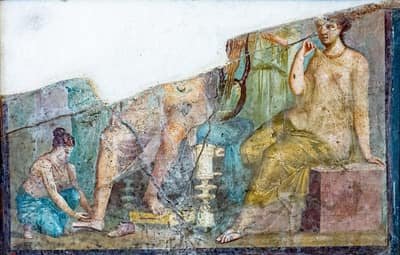
The historic centre, laid out on a Greek-Roman grid, is the densest area: narrow streets, churches and shops at every turn, with districts like Spaccanapoli best walked slowly. Close by, the National Archaeological Museum holds much of what was found at Pompeii and Herculaneum, so it makes sense to see it before or after the ruins to understand them.
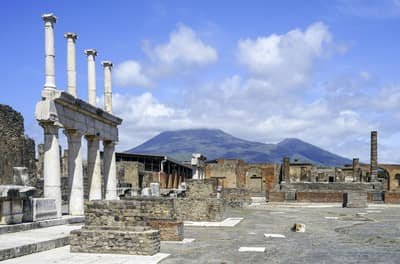
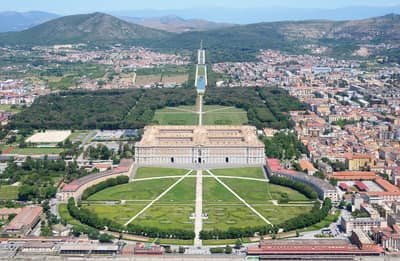
Higher up, the Capodimonte Museum, a former Bourbon palace, concentrates painting and a porcelain collection, and the Certosa di San Martino offers, besides its rooms, one of the best views of the bay. Beyond the city, Pompeii and the Royal Palace of Caserta each need a full day.
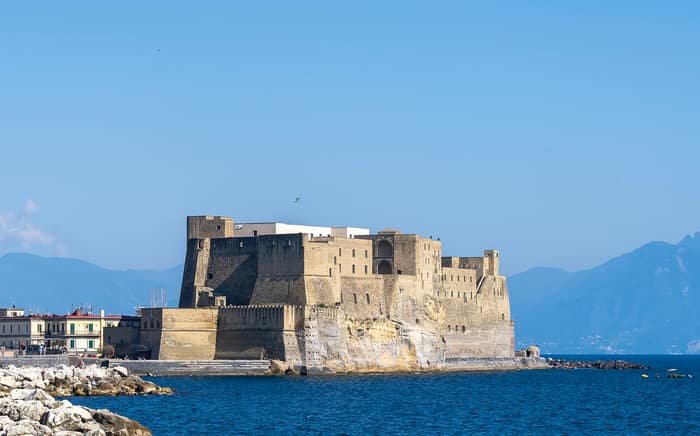
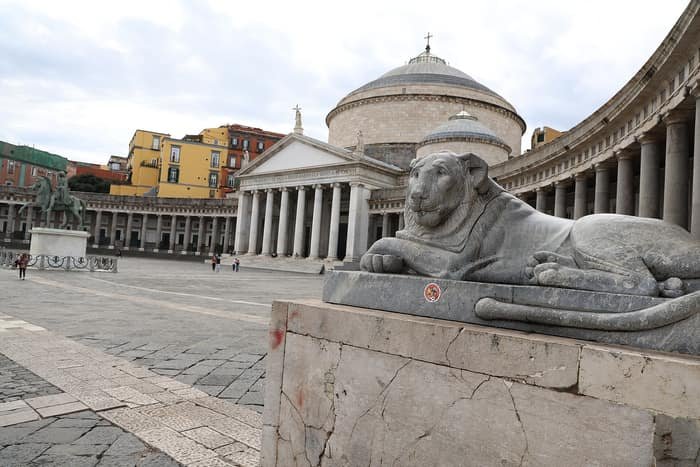
What needs no ticket fills the gaps between visits: Via San Gregorio Armeno, with its nativity-scene workshops; the Galleria Umberto I; Piazza del Plebiscito and the waterfront walk to Castel dell'Ovo. They are stretches to walk slowly and snack on the go, and they keep the day from becoming a chain of museums.
How long to stay, and what to do about Pompeii
With two days you can cover the old town, the Archaeological Museum and one of the hills, Capodimonte or San Martino. With three days you add the second one and have room for a relaxed lunch and a walk along the waterfront. Pompeii is a separate excursion: a full day is the norm, which is why there is a plan combining it with the city in Naples and Pompeii in two days.
If time is short, split it like this: a morning for the Archaeological Museum, the afternoon for the old town, and the whole next day for Pompeii. If you arrive from Rome, the high-speed train makes a same-day round trip possible, though staying at least one night is more comfortable. It is a city that is better lived at night than passed through.
Tickets: what is worth booking ahead
Pompeii and the Royal Palace of Caserta are the two places where booking makes most sense, because in high season entrance queues can eat a good part of the morning. In the city, the Archaeological Museum and Capodimonte work well with a ticket in advance, especially on weekends or peak dates. The Certosa di San Martino usually leaves more room.
For smaller sites or those with very limited capacity, such as some chapels and underground visits, check in good time whether a reservation is needed. Tickets are booked on an external site, Weekend in Italy, where you see prices, languages and availability by date. A good rule is to reserve the out-of-town excursions first and fit the other visits around them.
Eating, getting around and staying calm
Pizza is part of the trip, not a chore: well-known neighbourhood pizzerias queue at standard meal times, so go early or mid-afternoon. For getting around, the centre is walkable; funiculars climb to the Vomero and the metro reaches several areas. Pompeii and Herculaneum are reached by regional train.
One honest warning: Naples is intense, and that includes the traffic. Cross decisively, do not hesitate mid-street and watch for scooters. In crowded places, carry your bag in front and avoid pulling out your phone in packed areas. With that basic care, the city is far less complicated than its reputation.
Tips before you go
- Museum before Pompeii. Seeing the pieces in the museum first lets you recognise them later in the ruins, and the visit takes on another meaning.
- One hill per day. Capodimonte and San Martino are in different high areas. Combining both with other visits on the same day wears you out.
- Give Pompeii a full day. Do not treat it as a half-morning excursion. It is a very large site with little shade and is better enjoyed at a calm pace.
- Funicular for the slopes. To reach the Vomero and San Martino, the funicular saves a heavy climb and is part of the experience.
- Pizza off-peak. Famous pizzerias fill up at the usual meal hours. Going early or mid-afternoon shortens the wait.
- Watch your bag. In crowded streets and on public transport, wear your backpack in front and keep your phone out of sight.
- Stay at least one night. Naples changes after dark: the squares fill up and the city feels more alive than during the day.

Frequently asked questions
How many days do you need in Naples?
Two or three days for the city; one more if you want to go to Pompeii or the Royal Palace of Caserta.
Is Naples a good base for Pompeii?
Yes, it is a convenient base: you get there by regional train and can pair the visit with the Archaeological Museum.
Do I need to book tickets?
For Pompeii, Caserta, Capodimonte and the Archaeological Museum it is wise in high season. The booking page shows dates and availability.
Is Naples safe for tourists?
With basic precautions, yes: watch your bag in crowded areas, cross carefully and avoid empty streets at night.
What should I see in Naples in one day?
The old town, the Archaeological Museum and a walk along the waterfront. Leave Pompeii for another day.

Affiliate link: if you book, this site may receive a commission.