Venice · City
Venice in practice: a city where the map lies
Venice has no cars, and that rewires your whole plan. Distances on the map ignore bridges, crowds and the occasional dead end, so a rough sketch beats improvising. Here is how to sequence the sights, how much time each part of the city really takes, and which reservations are worth having sorted before you arrive.

Begin with the logistics, not the sights
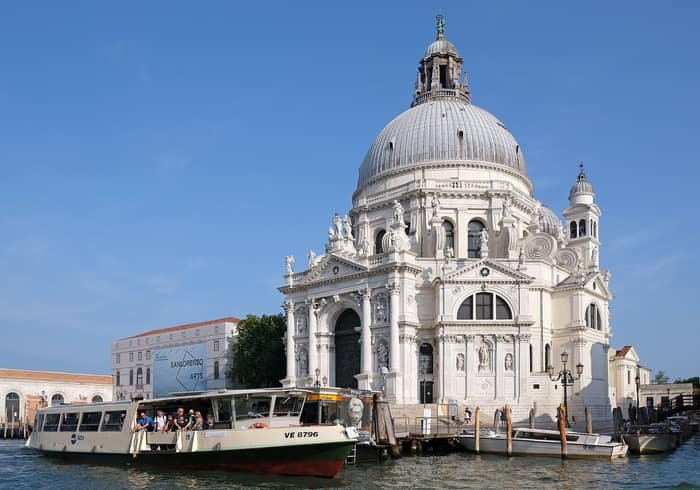
The historic centre is a cluster of islands in a lagoon, linked by bridges and split by canals. You arrive via the Liberty Bridge to Piazzale Roma, or by train at Santa Lucia station, and from there no wheels continue: only feet and boats. Public transport runs on vaporetti, and the canals act as the main streets, with the Grand Canal as the great avenue.
The practical result is simple: always allow double the time the map suggests. Streets are narrow, bridges have steps, and there is no straight shortcut. A useful habit is to take a vaporetto for long hops and walk for short ones, rather than trying to cover everything on foot.
What to see, following the water
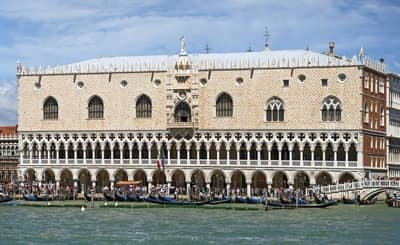
The symbolic centre is St Mark's Square, and beside it the Doge's Palace, the seat of power for centuries while Venice was a republic, until Napoleon ended its independence in 1797. From there the Grand Canal is your spine: palaces line both banks, and one of them, Ca' d'Oro, carries one of the most recognisable Gothic facades in town.
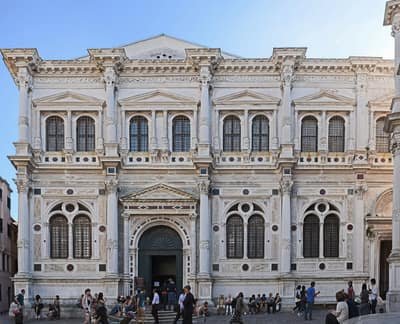
If Venetian painting interests you, the Gallerie dell'Accademia gather the essentials in a single museum. For twentieth-century art, the Peggy Guggenheim Collection offers a pleasant contrast with the rest of the city. And for a different angle on Venetian ingenuity, the Leonardo da Vinci Museum presents reproductions of his machines.
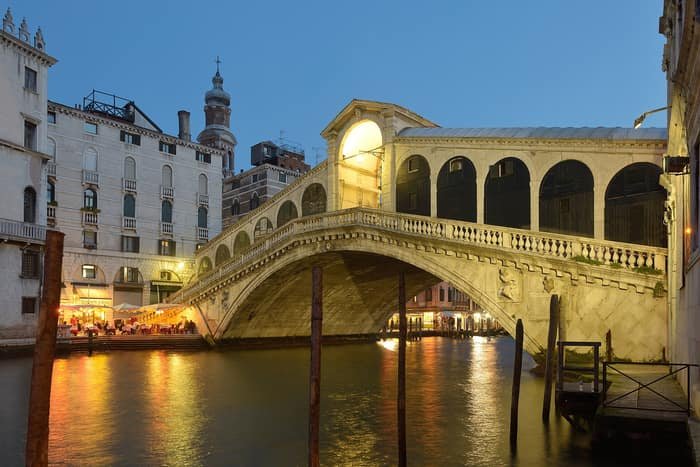
Between visits there are things that need no ticket: crossing the Grand Canal by traghetto, the shared gondola that links the two banks at a few points; stopping on the Rialto Bridge at a quiet hour; and walking through Dorsoduro to the Zattere, with the afternoon sun on the Giudecca canal. They make useful pauses between museums and depend on no time slot at all. If you want a proper gondola ride, treat it as a separate activity and decide in advance whether it is worth your time.
How much time Venice deserves
One day is enough if you arrive as a day tripper: St Mark's and the Doge's Palace in the morning, a vaporetto ride along the Grand Canal at midday and an aimless afternoon in the side streets. A timed route is in Venice in one day. But with two days, and above all one night on the island, the city changes: as evening falls it empties of day trippers and the streets regain their quiet.
The lagoon islands, such as Murano, Burano or Torcello, deserve another half day if you have spare time. There is no need to add them on a short first visit: what gives Venice its character is already in the central islands.
Tickets: what is worth booking ahead
The Doge's Palace benefits most from a reservation: it uses timed entry, and in high season skipping the ticket-office wait leaves more time for walking. The Gallerie dell'Accademia and the Peggy Guggenheim Collection work with limited capacity per slot, so book mornings, when everything is calmer.
St Mark's Basilica and the bell tower have their own access and conditions, so check how they work on your dates. Tickets are booked on an external site, Weekend in Italy, where you see prices, languages and availability. A practical trick: book the Doge's Palace for first thing, then head down to the Grand Canal; the busiest part of the day is then already behind you.
High water, crowds and other surprises
Venice lives by its tides. At certain times of year, especially autumn and winter, a mix of tide, pressure and wind can flood the lowest areas, including St Mark's Square: this is the acqua alta. If you travel then, bring waterproof footwear and check the forecasts, because a visit can be rearranged with an hour's notice.
It is also worth knowing that the city applies measures to manage the flow of day trippers, including an access fee on certain dates. Check the official calendar before you go and, if you can, come midweek: the difference in crowds is notable.
Tips before you go
- Double your time estimates. The map is misleading: bridges, narrow lanes and dead ends stretch every walk. Leave a margin between bookings.
- Waterproof shoes in autumn. If there is high water, the short rubber boots sold around the city help a lot. Check the forecast before heading out.
- Use the vaporetto on the Grand Canal. A slow vaporetto ride along the Grand Canal works as a panoramic tour, with the palaces sliding past on both sides and nothing extra to arrange.
- Avoid eating on St Mark's Square. A few streets away the choice is better and prices more reasonable. If a menu has photos, keep walking.
- Go early or wait for sunset. The first hours and the end of the day are best: the city is emptier and the light improves.
- Getting lost is part of it. Yellow signs point to the main destinations. If you are in no hurry, put the map away and wander.
- Sort your luggage first. If you arrive for the day, decide where to leave your suitcase before you start. Dragging it over bridges wears you out.

Frequently asked questions
How many days do you need in Venice?
Two days for a relaxed visit, one if you come as a day trip. A night on the island changes the whole feel of the place.
Do I need to reserve the Doge's Palace?
It is wise, especially in high season, because a timed ticket avoids waiting at the ticket office. The booking page shows availability.
Can Venice be explored on foot?
Yes, nearly everything is walkable, though you must allow for bridges with steps. The vaporetto helps on longer hops.
What is acqua alta?
It is a rise in the tide that floods low-lying parts of the city at certain times of year, mostly autumn and winter. It is forecast in advance.
Is a trip to Murano or Burano worth it?
If you have time left after the main centre, yes. Count on half a day extra for the round trip.
Affiliate link: if you book, this site may receive a commission.