Turin · Baroque city
Turin, the Savoy capital: what to visit and in what order
Turin is the Italian city that fits the cliche least: grid streets, miles of arcades and a quiet passion for museums. Here is what to see, how many days to give it and which tickets to get ahead of time, especially for the Egyptian Museum.
A capital that does not look like what you expect of Italy
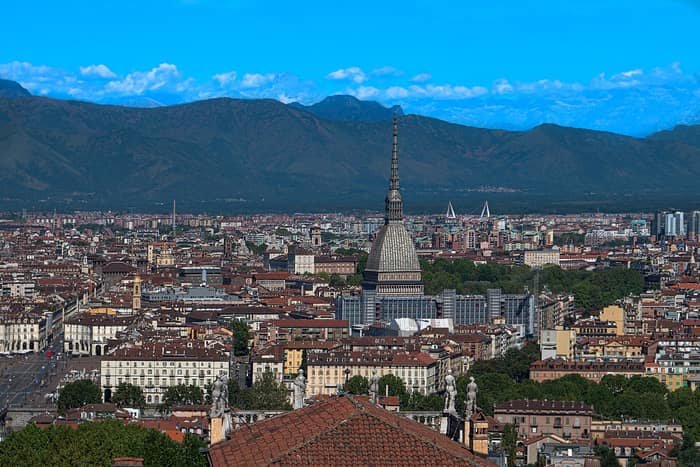
Turin was the capital of the Duchy of Savoy and, between 1861 and 1865, the first capital of the Kingdom of Italy. You can see it in the layout: broad squares, straight streets and Baroque and Neoclassical facades that feel closer to Paris or Vienna than to Rome. The grid, inherited from the old Roman plan, makes the city easy to navigate without a map.
The arcades of Via Roma, Piazza San Carlo and the historic cafes set the scene; here a bicerin (coffee with chocolate and cream) is ordered as casually as a plain espresso elsewhere. Part of the residences of the House of Savoy are on the UNESCO World Heritage list, which explains how many palaces you will run into without looking for them.
The Egyptian Museum: the visit that eats half a morning
The Egyptian Museum of Turin is considered one of the most important outside Egypt, and the sheer number of pieces shows it: statues, papyri, sarcophagi and everyday objects that tell how ordinary people lived, not only pharaohs. It is the kind of museum where tiredness arrives before the end. Go in with a clear idea of what you want to see.
Entry is organised by time slots and weekends fill up. If you only have a morning, cover the main rooms first and leave the side corridors for last, once you know how much energy you have left.
Among the most talked-about pieces are the tomb of Kha and Merit, found almost intact, and the statues in the rooms devoted to the kings, which are easier to appreciate if you have not arrived exhausted. With children, pick the rooms of everyday objects: they make sense faster than the sarcophagi and have more details to point out.
Palazzo Madama, the Mole and the Reggia: the royal centre and its outskirts
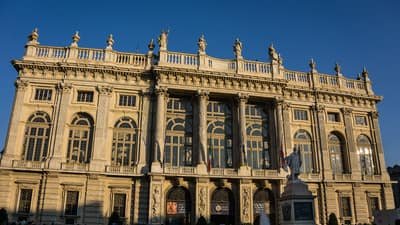
Palazzo Madama is a strange building in the best sense: a medieval fortress that incorporates an old Roman gate, with a Baroque facade added centuries later. Today it houses a museum of ancient art. It stands right on Piazza Castello, a step from the Royal Palace, so it is easy to fit into the same walk.
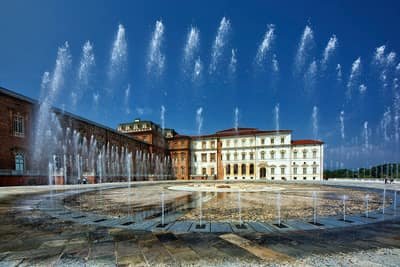
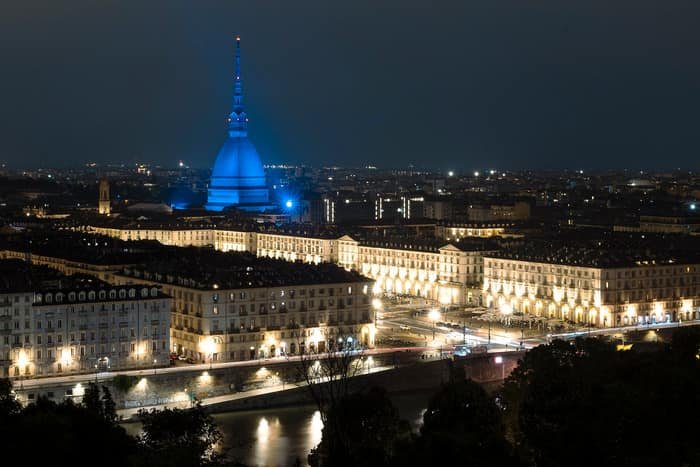
The Mole Antonelliana, the city's symbol, houses the National Cinema Museum, and its panoramic lift gives a good view; there is often a wait at peak hours. Outside the centre, the Venaria Royal Palace is the Savoy hunting and leisure residence, surrounded by huge gardens. It is reached by public transport from the centre and deserves half a day at the very least.
If you have half an hour to spare, walk to the Porta Palatina near the cathedral: a gate of the Roman city that still stands, next to remains of the Roman theatre. It is a good reminder that Turin began as Augusta Taurinorum long before the Savoys.
How long to give Turin
In one day you can see the centre, enter one large museum and have an aperitivo without hurrying. With two days the plan arranges itself: one for the Baroque centre and the Egyptian Museum, another for Venaria or the hills. The two-day Turin itinerary suggests how to split it without doubling back.
If you are coming from another northern city, Turin works both as a base and as a stop: from Milan it is an easy train ride and fits a weekend break. There is no need to rush; the good part of Turin is everyday life, and for that you need to leave gaps in the schedule.
Tickets: what is worth booking ahead
In Turin it pays to book the Egyptian Museum first, because it runs on time slots and is the visit that fills up most. Also reserve the Venaria Palace if you are going on a specific day, since the palace and gardens make a long outing and you do not want to lose time at the ticket desk. Palazzo Madama is usually quieter, though on weekends and holidays it helps to have a ticket.
Tickets are booked on an external site, Weekend in Italy, where you can see prices, available times and what each option includes. Compare carefully: there are museum-only tickets and others that add a guided visit, and the difference is not always obvious at first glance.
Tips before you go
- Egyptian Museum at opening time. The rooms are emptiest first thing. Pick the earliest slot you can.
- Arcades for the rain. If it rains, you can cover much of the centre almost without an umbrella thanks to the arcades.
- Avoid two big museums in one day. The Egyptian Museum and Venaria on the same day is too much. Spread them out.
- Aperitivo as dinner. Many bars serve a buffet with the drink. For a light dinner it is a real option.
- Try the gianduiotto. Hazelnut chocolate is part of the city's identity. Buy it in a chocolate shop, not a souvenir stall.
- Do not expect the Shroud. The cloth is not normally on view; the cathedral is still worth a look, with a different expectation.
- Budget the trip to Venaria. The journey takes time. Leaving early gives you the morning for the palace and the afternoon for the gardens.
Frequently asked questions
How many days do you need in Turin?
Two is comfortable. With one you see the centre and a museum; with two you add Venaria or a walk in the hills.
Do you need to book the Egyptian Museum?
It helps, especially at weekends and in high season, because entry runs on time slots.
Can you reach Venaria without a car?
Yes, by public transport from the centre. Check lines and times for your day before you set off.
What should you see with little time?
Piazza Castello, Palazzo Madama, a historic cafe and, if there is time left, the Mole Antonelliana area.
Is Turin a good weekend break?
Yes, and it tends to have fewer tourists than other Italian cities. It pairs well with Milan by train.
Affiliate link: if you book, this site may receive a commission.